How a $20 Hat Changed American Politics Forever: The Soft Power That Billions in Ads Couldn’t Buy
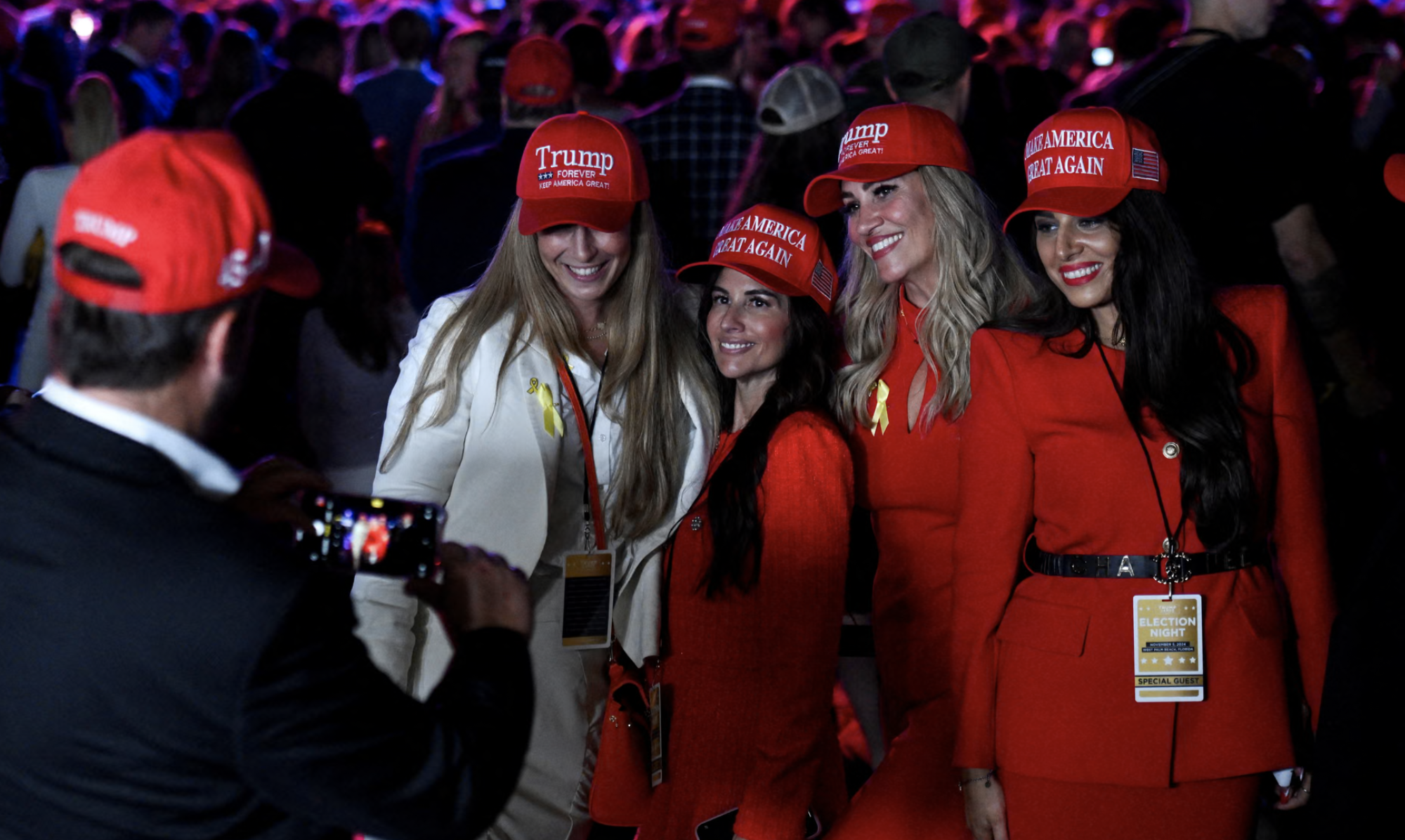
(Callaghan O’Hare/Reuters)
It was just a hat.
A red hat with white letters stitched across the front. Simple. Cheap. Ordinary.
And still… it changed everything.
In politics, symbols usually fade as fast as slogans. But the red MAGA hat didn’t. It became more than merchandise. It became identity. The moment someone put it on, they weren’t just supporting a candidate, they were declaring who they were. The hat turned politics personal. Public. Visible.
That is soft power.
Real power doesn’t always come from laws or leaders. Sometimes it comes from culture: what people choose to wear, share, and stand behind. The red hat mastered that.
It didn’t need expensive campaigns or polished messaging. People carried it everywhere: rallies, schools, stadiums, sport fields, dorm rooms, social media. Everyday Americans did the marketing themselves.
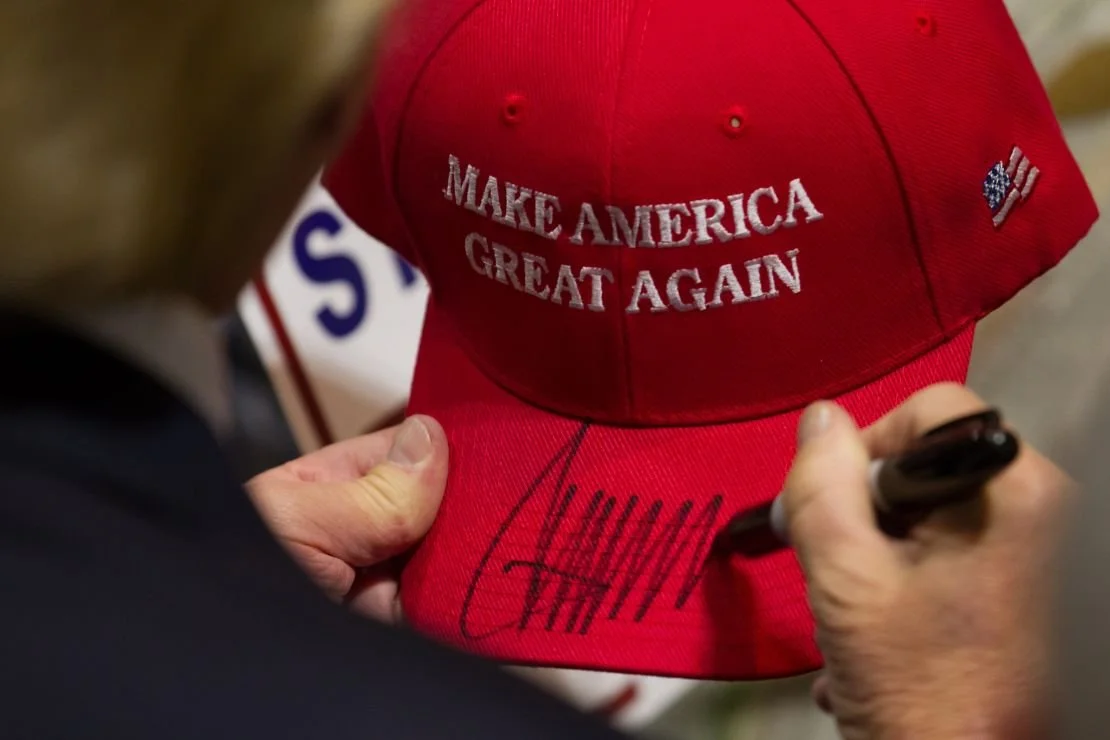
(Matthew Cavanaugh/Getty Images)
What made the hat so powerful wasn’t the slogan, it was the emotion attached to it: pride, defiance, belonging. It gave people permission to be seen. And when critics tried to shame it, they instead made it stronger. Nothing fuels a symbol like opposition. The more controversial the hat became, the more meaningful it felt to those who wore it.
It proved a simple truth about marketing: identity beats persuasion every time. You don’t convince people with arguments, you connect with who they believe they are. The red hat let millions say, without speaking a word, “I’m conservative and unafraid to show it.”
A piece of fabric became a movement marker.
A $20 hat became a cultural dividing line.
It showed us something few brands, political or commercial, ever succeed at: when a symbol becomes personal, it becomes permanent.
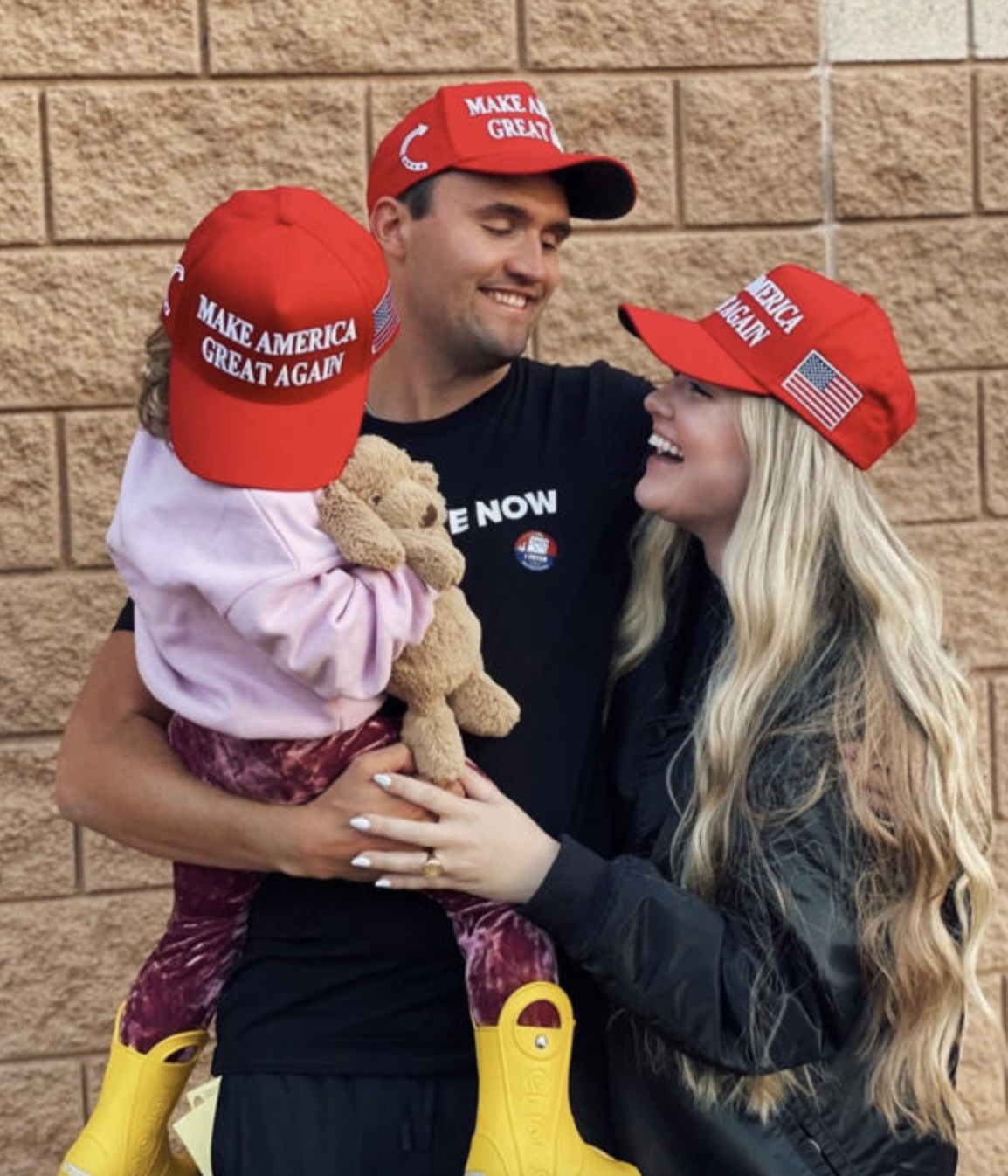
(Charlie Kirk and Erika Kirk/ Instagram)
More than a campaign accessory, the hat became the most visible marker of Donald Trump’s political revolution and comeback: a cultural uniform for a movement that rejected the radical left and establishment politics.The red hat will remain one of the most recognizable symbols of 21st-century American politics. Trump didn’t just build a campaign, he built a culture. And culture, not advertising budgets, is what ultimately shapes history.
It wasn’t just a hat.
It was the most powerful marketing symbol of a generation.
The red hat will go down in history not as a piece of merchandise, but as the most potent symbol of modern populism, proof that in America, a movement doesn’t begin with a message board; it begins with an identity.